Learning
Data tools
Data matters for children’s health
To support every child in every community according to their needs, we need reliable, accessible data.
When our systems and services are geared to manage information and to get it to the right people at the right time, we can make better decisions about how best to support children and families.
Bringing new data tools to you
Queensland Kids Partnership is working with partners across the state to improve the way that we all collect, manage, share and use data.
This page is designed to highlight and share some of the information and tools that have been developed so far.
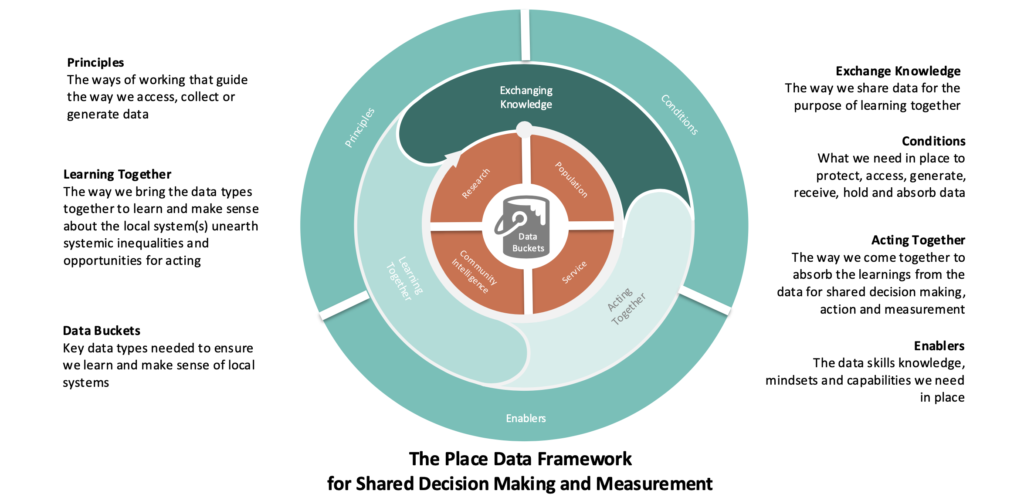
A shared framework for working with place-based data
In 2024 QKP supported place-based leaders and data experts to create a Place-Based Data Framework. The Framework provides a shared understanding of the ‘how to’ of accessing, collecting, and using data for shared measurement and decision-making.
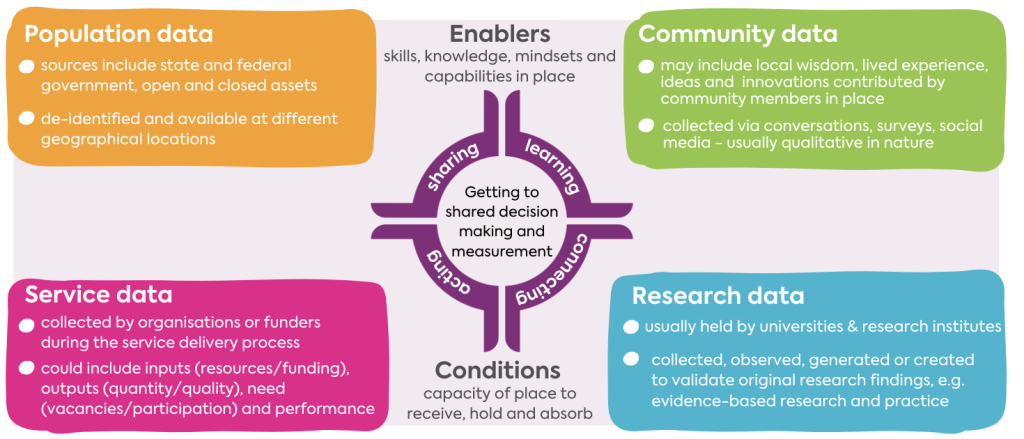
The Framework outlines four data ‘buckets’:
Population data: Sources include state and federal government, open and closed data assets. De-identified and available at different geographical locations.
Community data: Collected by conversations, surveys, social media, usually qualitative in nature. May include local wisdom, lived experience, ideas and innovations contributed by community members in place.
Research data: Collected, observed, generated or created to validate research findings, evidence-based practices or strategies. Usually held by universities, research institutes including within policy and strategy.
Service data: Collected by organisations or funders during the service delivery process. Could include inputs (resources and funding), outputs (quantity, quality), need (vacancies, participation) and performanсе.
What data competencies & skills do we need in our organisations?
The development of the Place-Based Data Framework highlighted a need to clearly outline the data competencies and skills required within organisations working on place-based initiatives.
In response to this need, Queensland Kids Partnership funded the University of Sunshine Coast to create the Place-Based Initiatives: data competencies and skills toolkit.
The toolkit provides details on 40 data competencies and skills, including what they mean, what they look like in practice, and how to develop them.
DOWNLOAD
Place-based initatives: data competencies and skills toolkit
Data Toolkit User Guide
The Data Toolkit User Guide was developed as a partnership between Queensland Kids Partnership and Gladstone Region engaging in action Together (GRT), based on learnings from local Gladstone human service organisations.
It provides step-by-step processes, templates and guides to:
develop data collection systems
assess data findings
enable evidence informed decision-making
translate data findings into action
navigate data capacity partnerships with human services organisations
develop partnership objectives and data sharing agreements.
Who is the Data Toolkit for?
People working in place-based initiatives who are working with human services organisations around data management.
People working in human services who want to develop their in-house data collection systems and practices.
The full suite of Data Toolkit documents are hosted on the Gladstone Regional Together website.
DOWNLOAD
Data Toolkit User Guide
Sources of data that can support your work
Queensland Kids Partnership continues to support the development of data platforms at state and federal levels including the following.
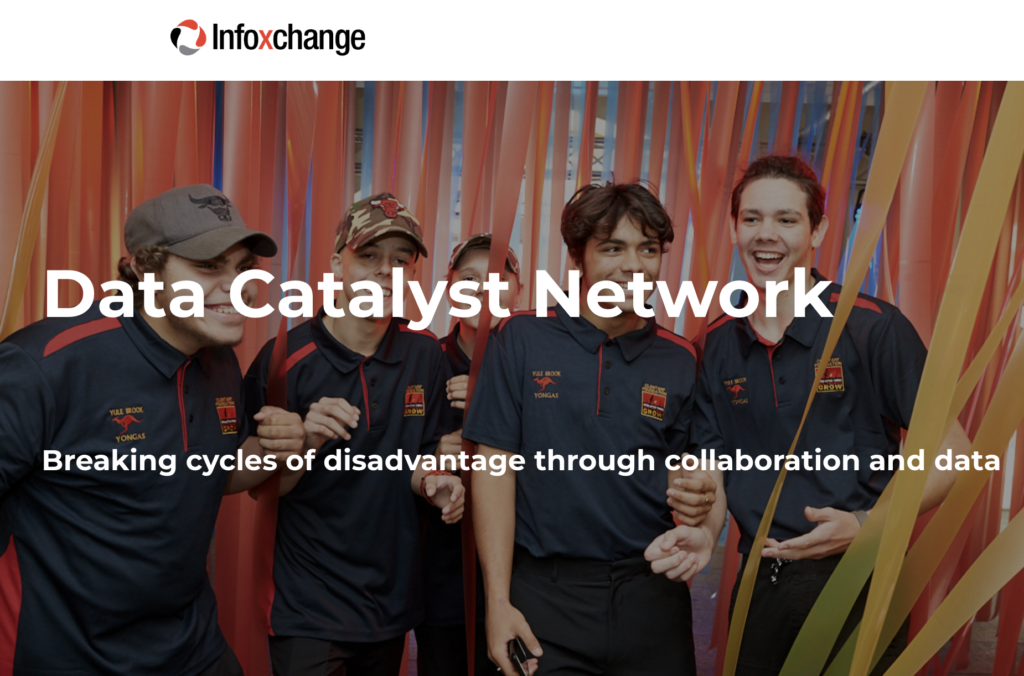
Data Catalyst Network – A national network of approximately 50 organisations working with data from the not-for-profit community sector, academia, government and business to improve the lives of people across the whole of Australia.
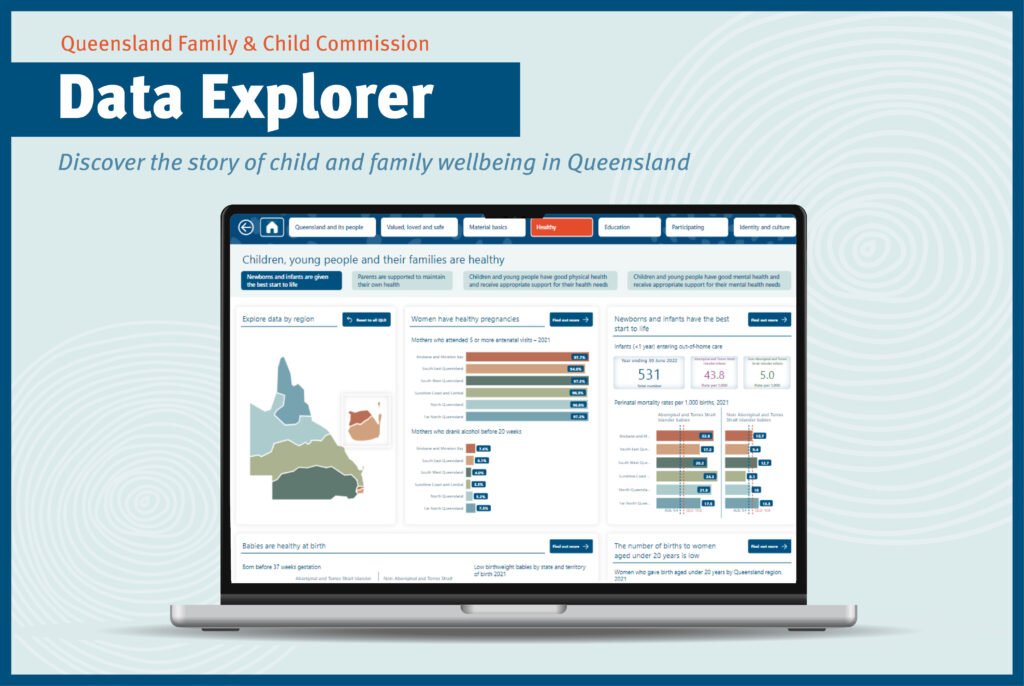
QFCC Data Explorer – A free online resource that presents a picture of child and family wellbeing in Queensland, based on the QFCC’s Growing Up in Queensland report.
Australian Child and Youth Wellbeing Atlas – A freely available data asset that maps information on children and young people aged 0 to 24 in communities across Australia.
How we talk about data matters
DOWNLOAD
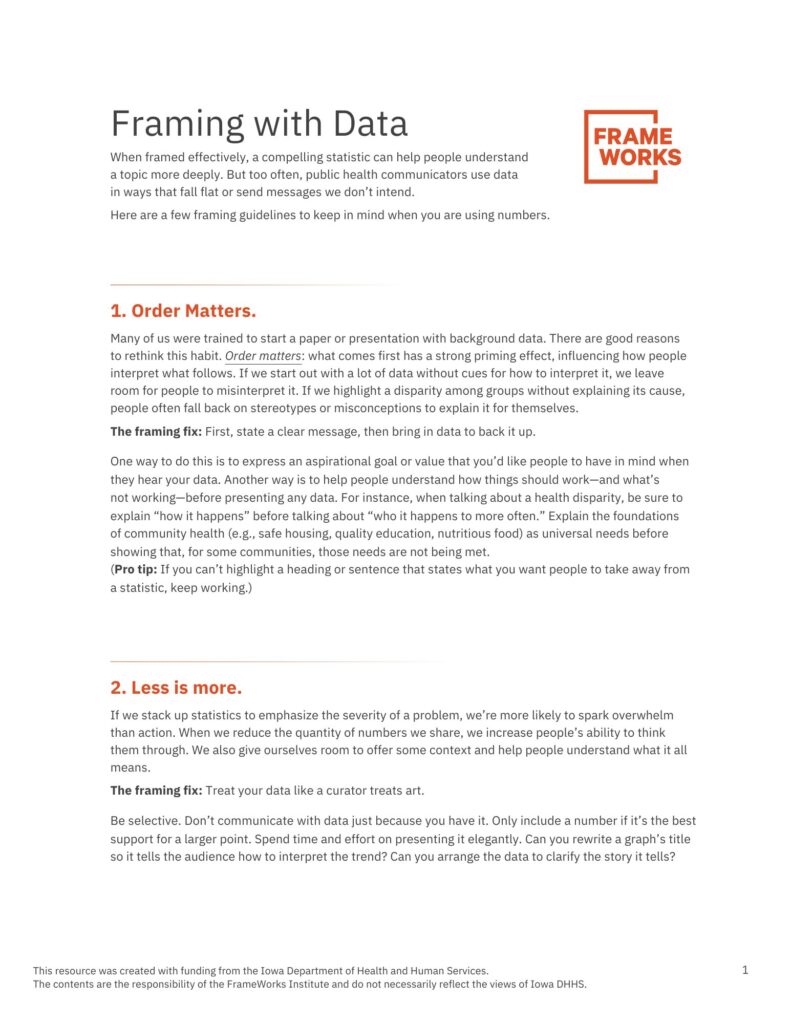
Framing With Data
When framed effectively, a compelling statistic can help people understand a topic more deeply. But too often, public health communicators use data in ways that fall flat or send messages we don’t intend. Here are some guidelines from the FrameWorks Institute to keep in mind when you’re using numbers.
Using framing to tell a compelling story about children and young people in research (2025)
Host: QCOSS
Presenters: Naomi Brown, Principal Partnerships Manager – Framing Initiative at the Thriving Queensland Kids Partnership; and Associate Professor Angela Higginson from QUT’s School of Justice
How you can get involved
Managing and improving child wellbeing data involves many organisations and systems.
To find out more and talk about ways to get involved, contact Rowena Cann on rowena.cann@aracy.org.au.
DOWNLOAD
Data Toolkit User Guide
This Toolkit was developed as a partnership between Thriving Queensland Kids Partnership and Gladstone Region engaging in action Together (GRT), based on learnings from local Gladstone Human Service organisations.
“Improving child and youth wellbeing requires a more systematic approach to putting data, insights, learnings, and expertise to work.”
System Leadership for Child and Youth Wellbeing Report
More Initiatives
Pathway Card Heading Will Go Here
Lorem ipsum dolor sit amet, consectetur dim to adipiscing elit. Ut elit tellus, luctus nec amet ullamcorper mattis, pulvinar dapibus leo.
Pathway Card Heading Will Go Here
Lorem ipsum dolor sit amet, consectetur dim to adipiscing elit. Ut elit tellus, luctus nec amet ullamcorper mattis, pulvinar dapibus leo.
Pathway Card Heading Will Go Here
Lorem ipsum dolor sit amet, consectetur dim to adipiscing elit. Ut elit tellus, luctus nec amet ullamcorper mattis, pulvinar dapibus leo.
Pathway Card Heading Will Go Here
Lorem ipsum dolor sit amet, consectetur dim to adipiscing elit. Ut elit tellus, luctus nec amet ullamcorper mattis, pulvinar dapibus leo.
More about our work ...
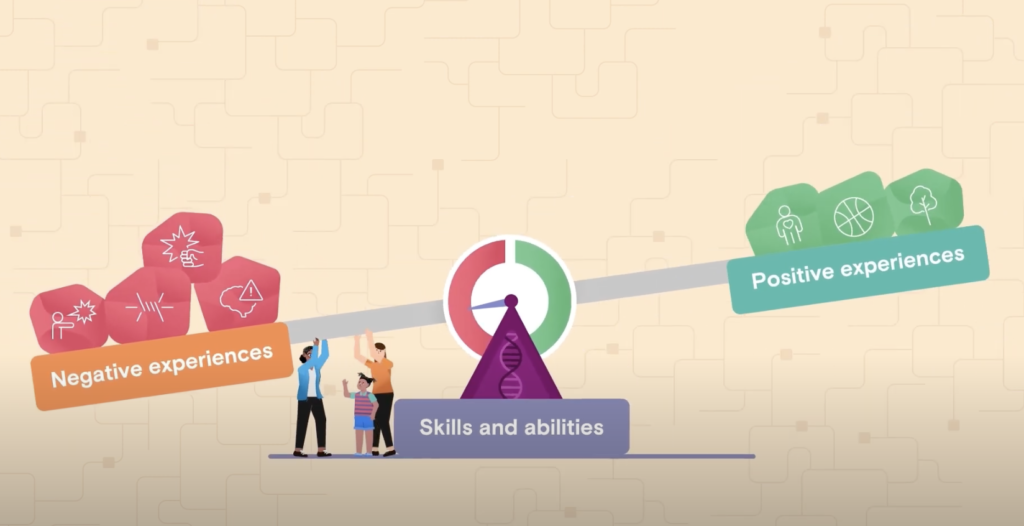
Explainer video: "What surrounds us shapes us"
This short explainer video introduces the Resilience Scale and ARACY’s The Nest framework as models to help understand how experiences and environments shape children’s health and development.
Partnerships charter
Our Charter clearly sets out the partnership’s shared goals, values and ways of working to improve systems for Queensland’s children. We invite you to review the Charter and join us if you support our shared vision for Queensland kids.
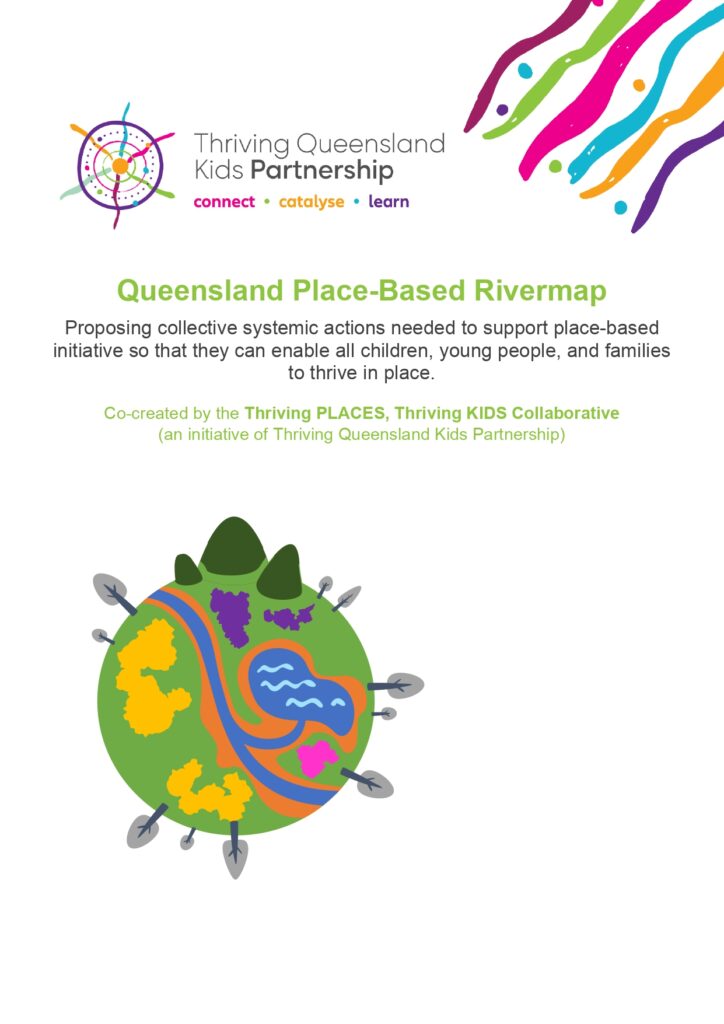
Report: Queensland Place-Based Rivermap
The Queensland Place-Based Rivermap proposes systemic actions to support our many place-based initiatives. Let’s work together to create local conditions that are good for families and kids.