A growing movement around the Resilience Scale and ARACY’s The Nest Wellbeing Framework
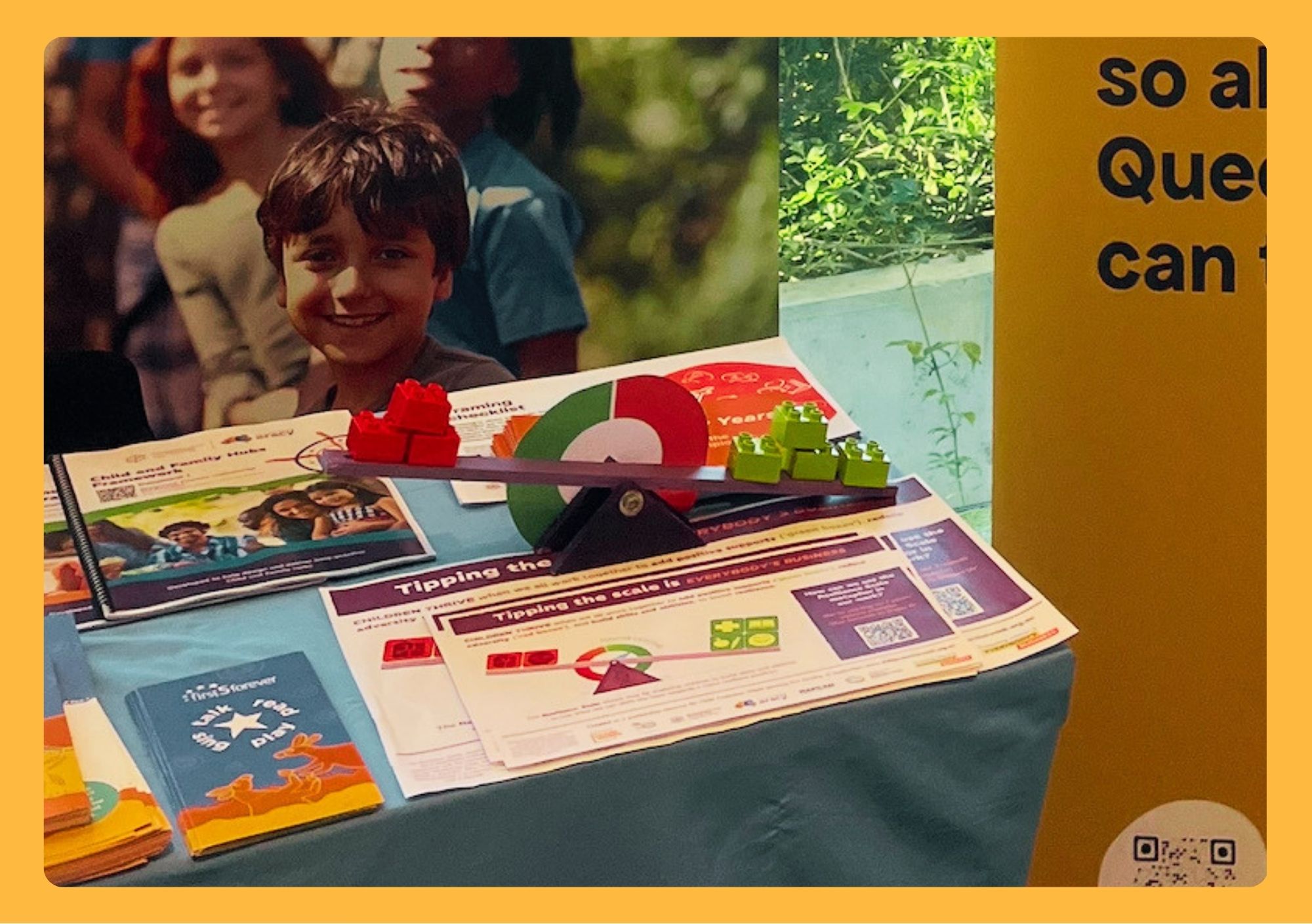
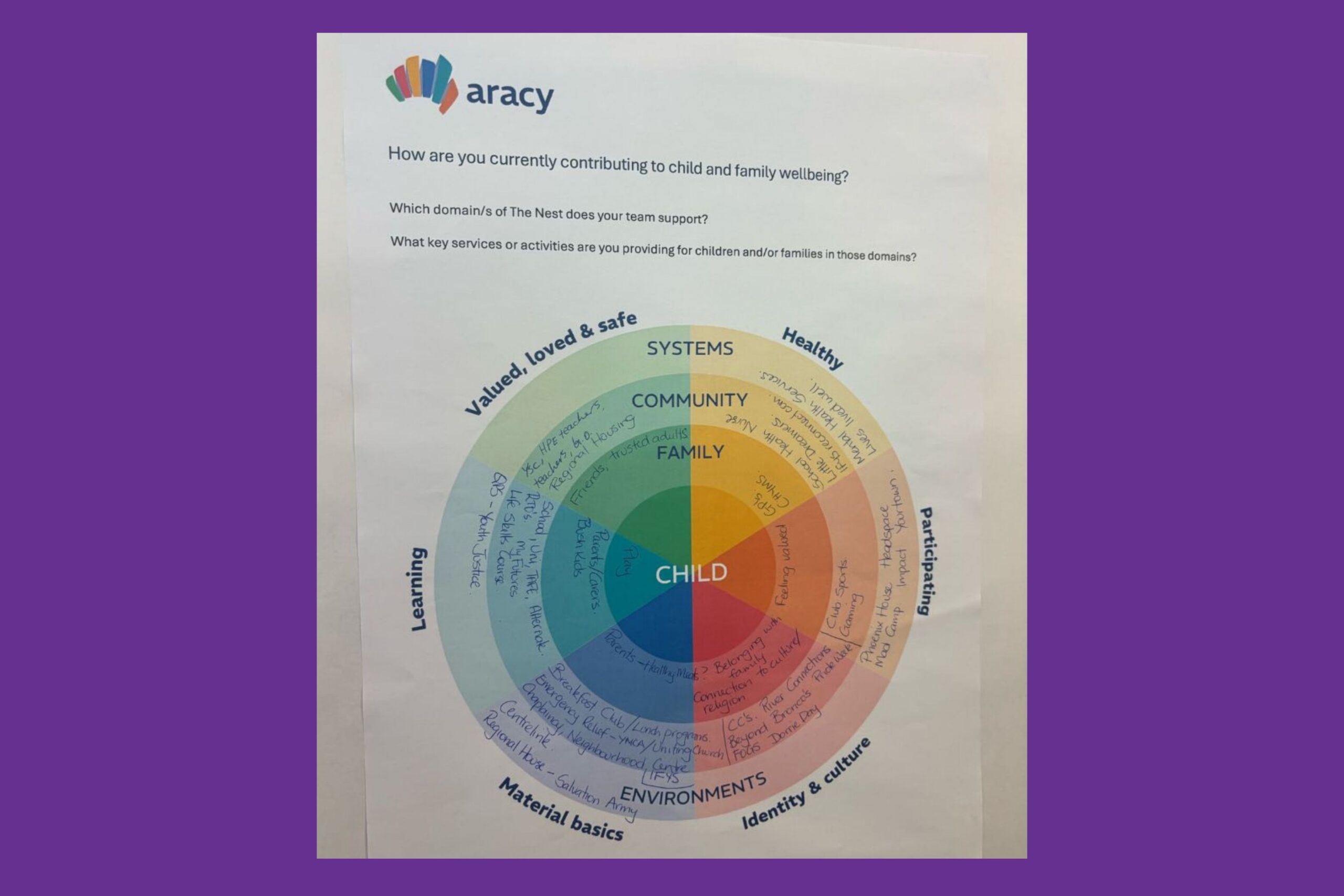
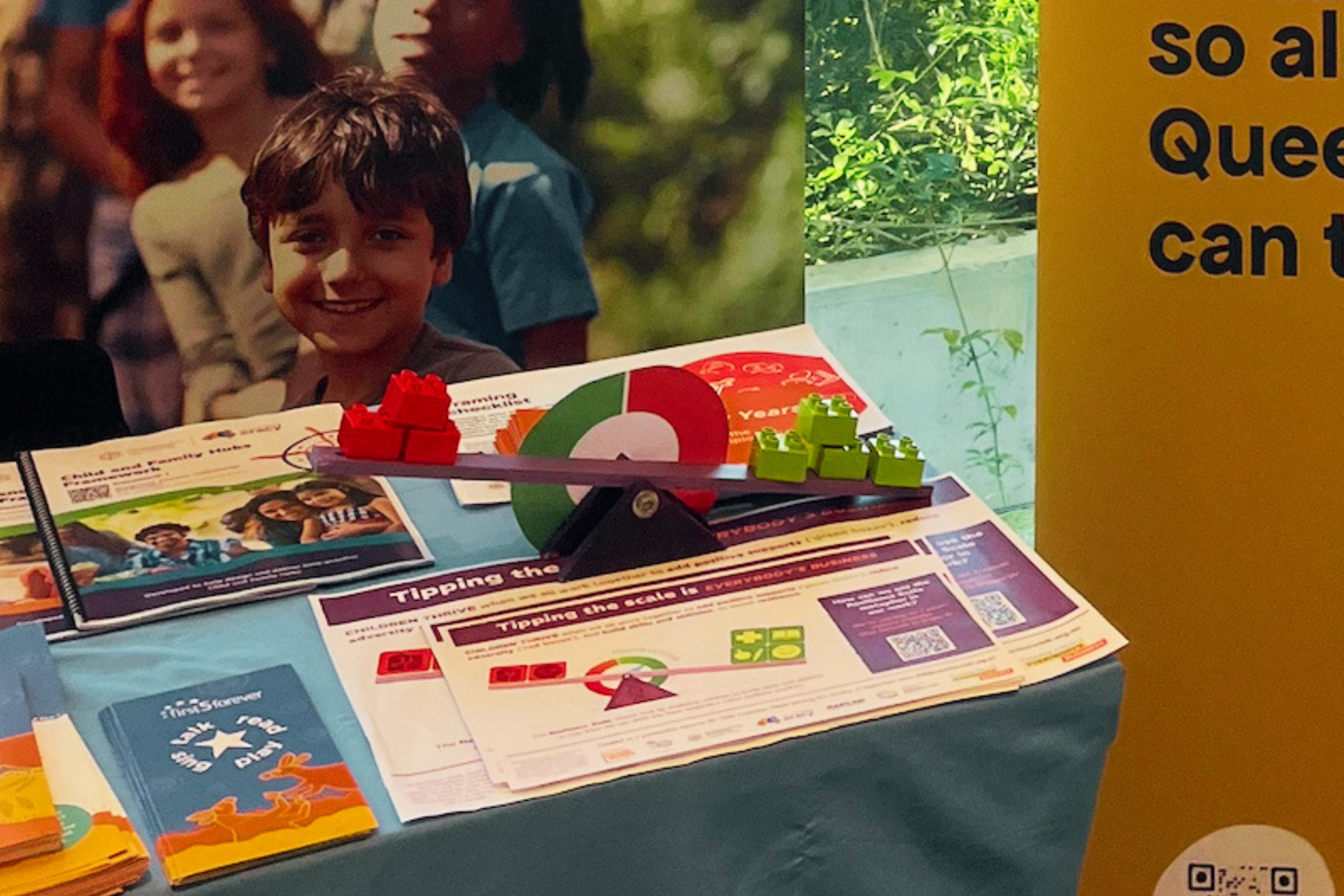
We’ve been sharing the Resilience Scale and The Nest Wellbeing Framework for many years now – because we love how they help make child development and wellbeing easier to understand, talk about and act on together.
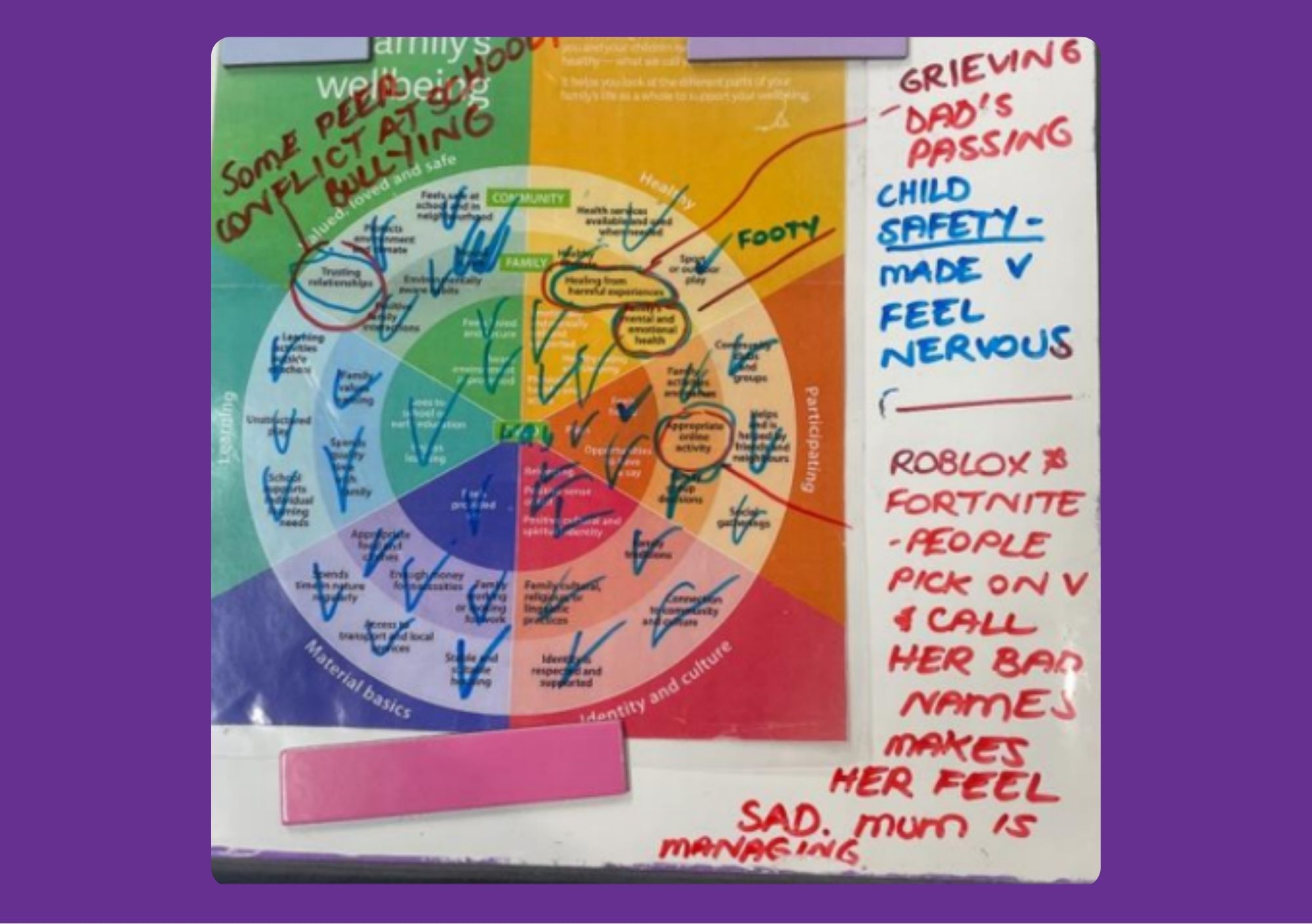
Tools like these help show that what surrounds us shapes us. They help shift conversations away from blame and towards shared responsibility, practical support and collective care.
Lately, it really feels like momentum is growing. We’re receiving constant requests to present on resilience and wellbeing. And everywhere we go, we hear stories about how people are using these tools in their own work and communities.
Here are just a few examples:
-
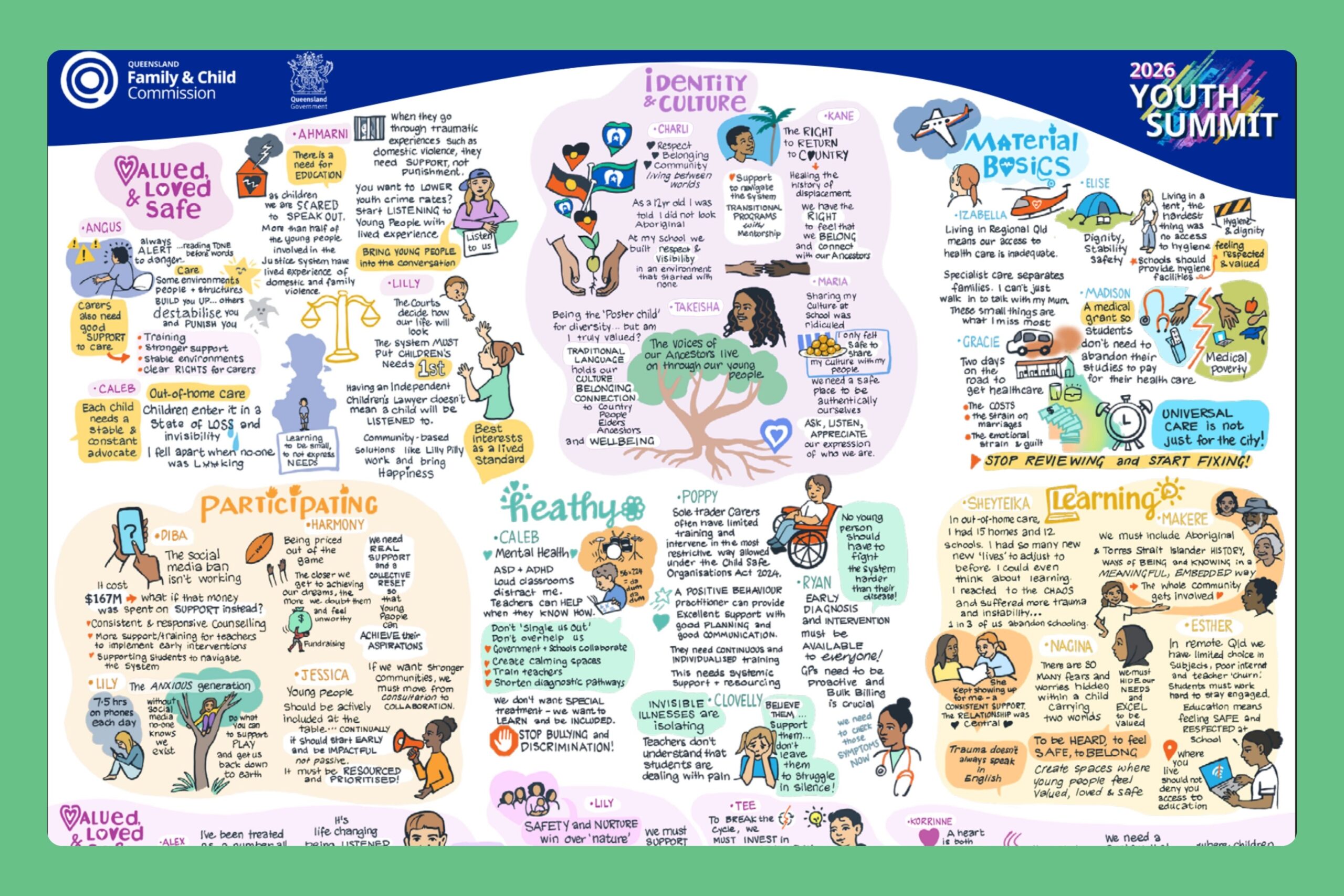
QFCC again used The Nest domains to help structure the Youth Summit in early April.
-
Head to Health Kids is using the tools to help create a shared language between child, family, education and health services – which in one example helped shift a child’s school attendance from 21% to now attending full time.
-
University of the Sunshine Coast has embedded neuro-informed resources from the Enabling Workforces Toolkit and the Resilience Scale into early childhood curriculum.
-
NAPCAN has woven the frameworks into Child Safe Organisation and Protective Behaviours training.
-
Officers in Youth Justice are using the Enabling Workforces Toolkit and the Resilience Scale with their teams and the families they are supporting.
-
QKP is using the Resilience Scale in disaster recovery settings to support conversations about children’s needs.
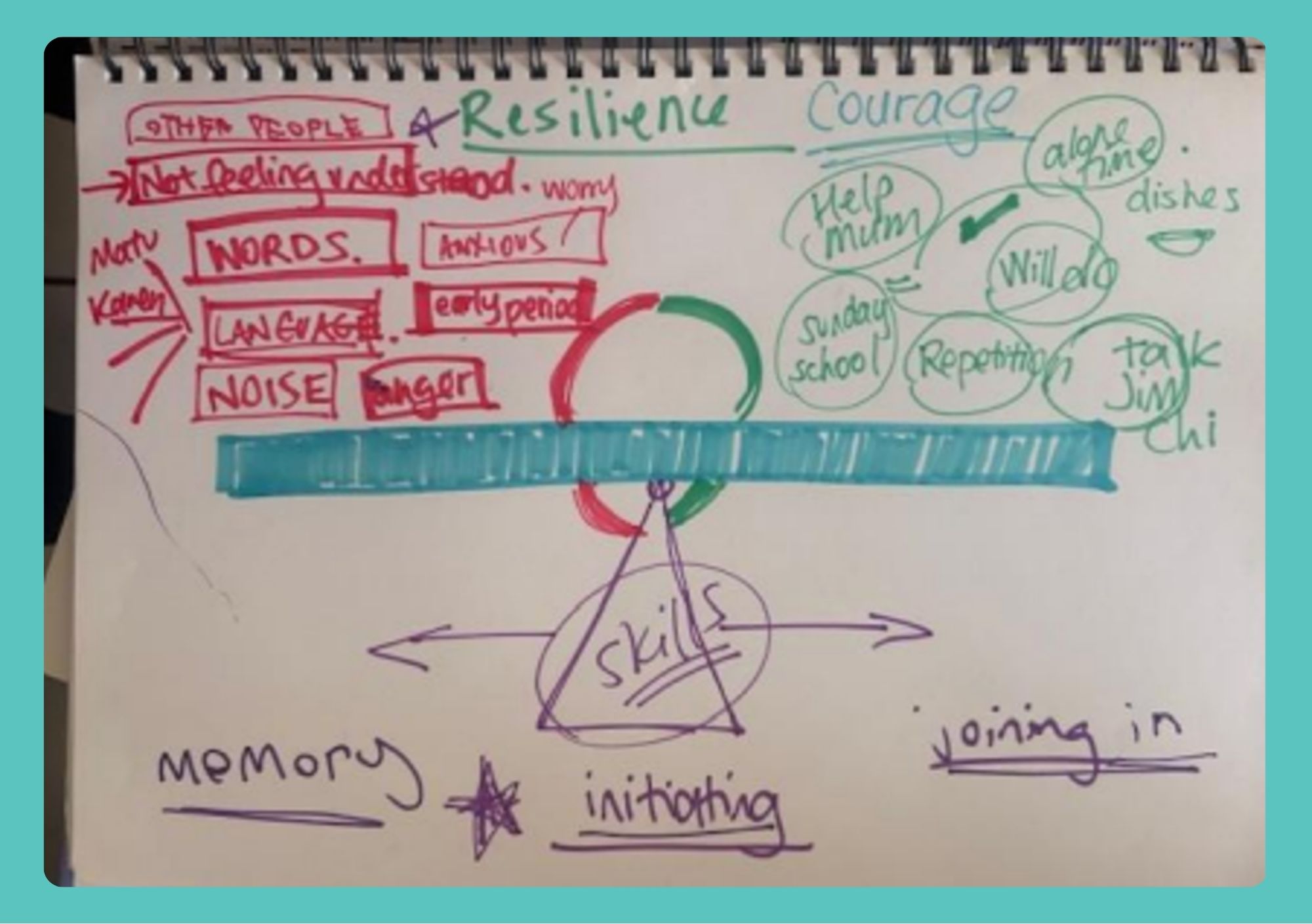
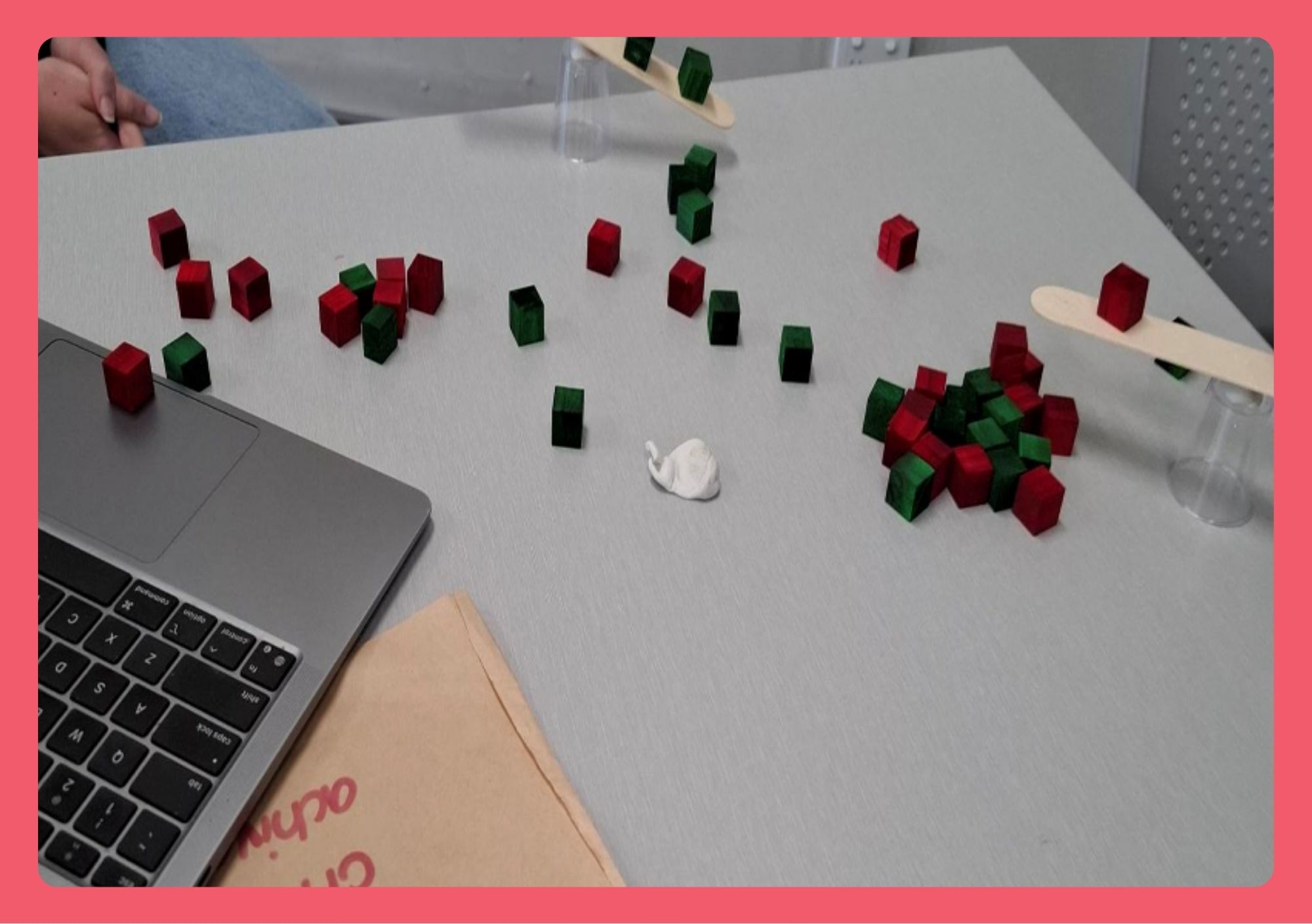
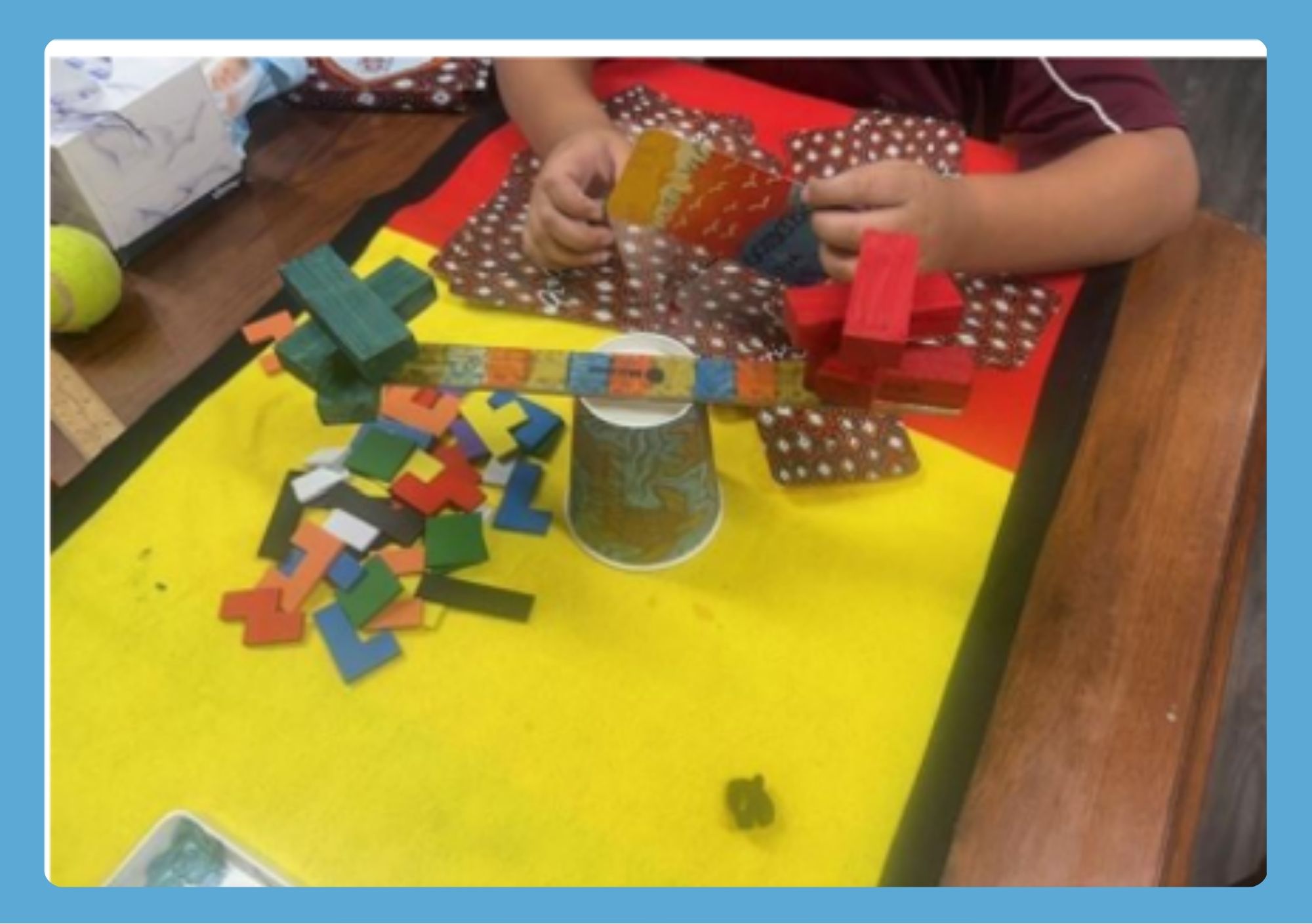
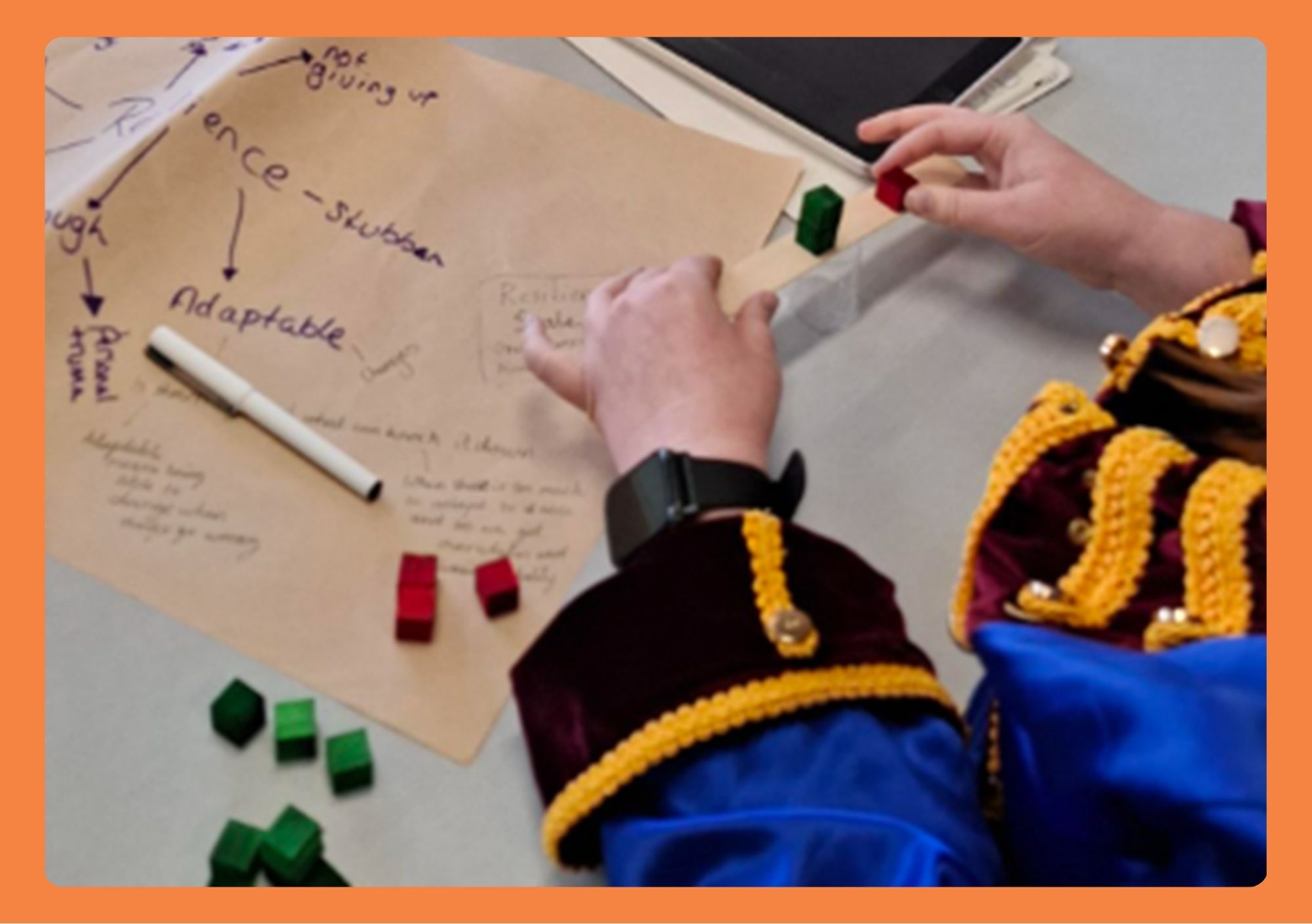
People are also adapting the tools in creative informal ways – from sketching the Resilience Scale on the back of a serviette during a conversation, to using objects from nature to explain how supports and stressors shape children’s lives.
A big warm welcome to the many passionate people who’ve attended training on resilience and wellbeing tools in recent months, including:
-
over 200 people who joined an online Resilience Scale masterclass run by the Alberta Family Wellness Initiative which, for the first time, included Australian examples of how the tools are being used
-
Ed-LinQ Coordinators from Children’s Health Queensland Hospital and Health Service across Queensland from Giabal and Jarowair Country in Toowoomba and the Darling Downs, to Gubbi Gubbi Country and Yuwi Country in Longreach and the Central West
-
25 Life Ed educators – who work with around 180 000+ students annually across Queensland
-
65+ educators from TAFE Queensland
-
29 practitioners and leaders from Micah Projects, including team members from Brisbane and Moreton Bay working across the Wellspring Women & Girls Health Hub, outreach support, early years education, supported tenancies, young parent support and leadership roles
-
Youth Support Coordinators from the Queensland Department of Education North Coast Region
-
35 people from Queensland Youth Justice.